Arogya Seva
 3 MonthsProject duration
 32 hospitals in one networkScope
 HealthcareIndustry
 Next.js
Overview
Arogya Seva is a hospital command center we architected for a health network — a single platform that does something most vendors split into two products. It runs the network-level command center for health officials and the working hospital system for staff on the ground, both on one shared data layer. That architecture is the whole point: because the ground floor feeds the top floor, officials see reality instead of reported reality, and hospital staff get software that actually helps them, so the data keeps flowing. We designed the two-tier system, the always-on alert engine, and an AI assistant that reads live data and takes real actions — not a chat skin bolted onto a search box.
The Challenge
The network runs 32 hospitals, and each one is an island. Status reaches the top as phone calls, WhatsApp photos, and Excel sheets, days late. Medicine stock-outs are discovered when a patient is turned away, not weeks earlier when they were still preventable. ICU and ward capacity is invisible across the network, so one hospital overflows while a neighbour sits half-empty. Decisions get made late, on stale information, one hospital at a time. This isn't a niche problem — it's where India's entire public-health system is heading. The Ayushman Bharat Digital Mission has already issued more than 79 crore ABHA health-account IDs by 2025, creating a unified digital backbone that pushes hospitals, labs, and pharmacies toward interoperable IT systems. The India healthcare IT market reflects the same pull, valued at USD 19.36 billion in 2025 and projected to reach USD 112.09 billion by 2034. The gap Arogya Seva closes: a system that connects the network's view to the hospital floor. It needed to: • Put all 32 hospitals on one screen — beds, stock, staff, alerts, live activity — with drill-down into any one • Surface problems on its own, without anyone filing a report • Give hospital staff a genuinely useful system — patients, appointments, clinical notes, prescriptions, lab and imaging orders, billing • Speak to Indian realities: real medicine catalogues, real regions, and Indian insurance schemes (Ayushman Bharat, ESIS, CGHS) The hard part was the same as any two-sided system: build one product that serves an official who wants the whole network at a glance and a ward nurse who wants their shift to run — off the same data.
What We Built
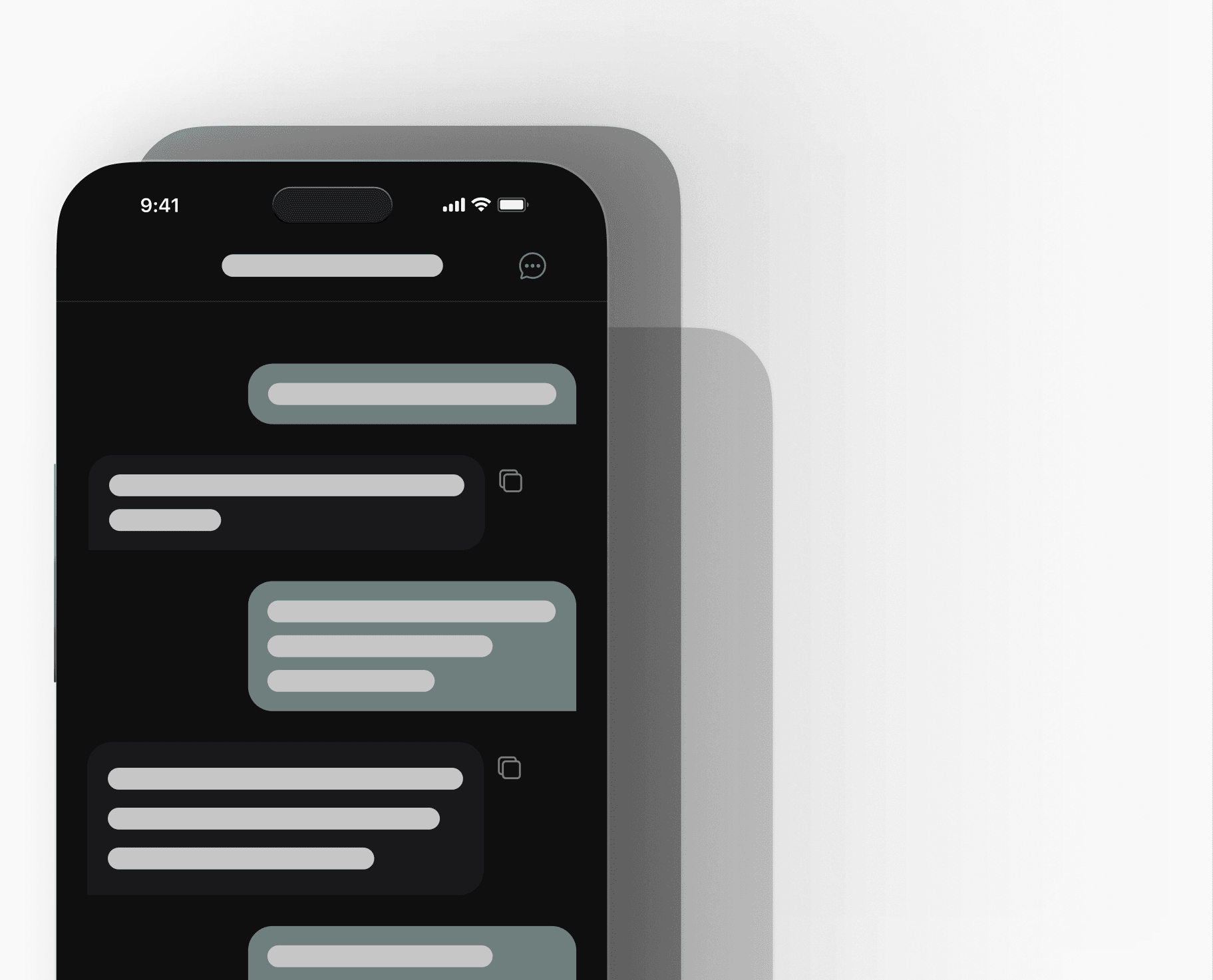
The command center (above). A network-wide overview of bed occupancy, stock health, staffing, and alert counts, with regional breakdowns and trends. Click any hospital, drop straight into it. The hospital system (below). Complete patient files — registration and UHID, admission, ward and bed, diagnosis, doctor's notes with vitals, prescriptions, lab results, imaging, discharge. Plus appointments across OPD, IPD, emergency, follow-up and procedures, and itemised billing with part-payment tracking and insurance mapping. The alert engine. Always on. It watches every hospital continuously and raises alerts itself — critical stock levels, ICU near capacity, medicines close to expiry, attendance below safe levels. Officials stop hunting for problems and start responding to them. The AI assistant. Available on every screen, it answers plain-language questions using the live data in front of you — "which hospitals are short on antibiotics?", "how full is the central ICU?" — and performs actions: admit a patient, add a clinical note, schedule an appointment, add a billing item. It also generates operations briefs, stock summaries, and attendance and incident reports on demand.
Why It Wins
• One system, not two. Most vendors sell either the official's dashboard or the staff's hospital system. This is both, on one data layer — no integration project, no reconciliation. • Built for this network. Real hospitals, real regions, real Indian medicine catalogues and insurance schemes — not a foreign product retrofitted for India. • Problems find you. The alert engine is always on. • AI that acts, not just chats. It reads live hospital data and carries out real tasks. • Fast to adopt. Clean, modern interface with light and dark modes; staff understand it without training.
Outcome
We delivered a unified command-and-care platform that turns 32 hospitals into one visible, monitorable network — with early warnings, shared records, and an AI layer that both answers and acts.
More projects

Let’s build something that matters
Have an idea, a problem to solve, or a product you want to improve?